






















Preparing for Fat Transfer Breast Augmentation
If you are a good candidate for a fat transfer breast augmentation, you will be in good health, should be a nonsmoker, or will need to stop smoking several weeks before the procedure. Dr. Cho will meet with you to learn about your personal medical history and find out about any pre-existing conditions that may affect the surgery. He will also determine whether or not you have enough fat on your body to achieve the desired results. Some people combine a fat transfer breast augmentation with a breast lift to improve sagging breasts.
What Happens During Fat Transfer Breast Augmentation?
The fat transfer breast augmentation technique is considered a low-risk procedure with a short recovery period. The procedure has three distinct stages: liposuction to remove the fat, purification of the fat, and transfer of the fat into the breast. The liposuction part of the procedure will be performed under general anesthesia or local anesthesia with IV sedation.
Your fat transfer breast augmentation in Spring, TX, will take one to three hours to complete, depending on how much fat is being transferred into the breast and number of donor areas. Dr. Cho will insert a cannula directly into the fat on the chosen areas through tiny incisions. The fat is separated with a centrifuge or gravity filtration system.
The purified fat cells are then transferred to syringes for injection and a small cannula to reduce bruising. The doctor will use a technique with multiple injections to create a natural shape for your breasts. After the surgery, you will wear a post-surgery bra along with compression garments for the areas of your body where liposuction was performed.

Complementary Procedures for Fat Transfer Breast Augmentation
During your consultation, Dr. Cho will help you explore a number of procedures that can be performed alongside your fat transfer breast augmentation, giving you the opportunity to enjoy truly comprehensive results, thanks to our integrated approach.
- A breast lift can help to reposition breasts that have begun to sag or droop with age.
- The tummy tuck can help you enjoy a flatter, more toned abdomen along with your enhanced breasts.
- Liposuction can eliminate the presence of unwanted fat for a more proportionate look.
- Vaginal rejuvenation can further enhance your sexual pleasure.
- Body sculpting can help you enhance and improve your look in a number of ways.

FAQ
Do you offer alternative procedures?
What else do I need to know?
Are there any risks involved?
Do you offer alternative procedures?
Breast augmentation is traditionally performed with breast implants filled with silicone gel or saline.
What else do I need to know?
- Only 50% to 70% of the fat cells will survive the transfer process, and the dead cells may cause pain, bleeding, or other symptoms.
- If more fat cells survive on one side than the other, asymmetry can result.
- A fat transfer breast augmentation will not achieve a large change but can increase the size of your breasts by approximately 50%.
- The procedure may cause problems with breastfeeding, and it may interfere with mammograms.
- The procedure can be repeated to achieve a larger size.
Are there any risks involved?
Injecting fat into the breasts can pose a risk to breastfeeding. Other risks of the procedure include nodules, lumps, and cysts in the breast, as well as indentations at the fat harvest site. A fat transfer breast augmentation may interfere with breast screening examinations, though experienced radiologists can often differentiate between surgical changes and those that might signify risk of breast cancer.
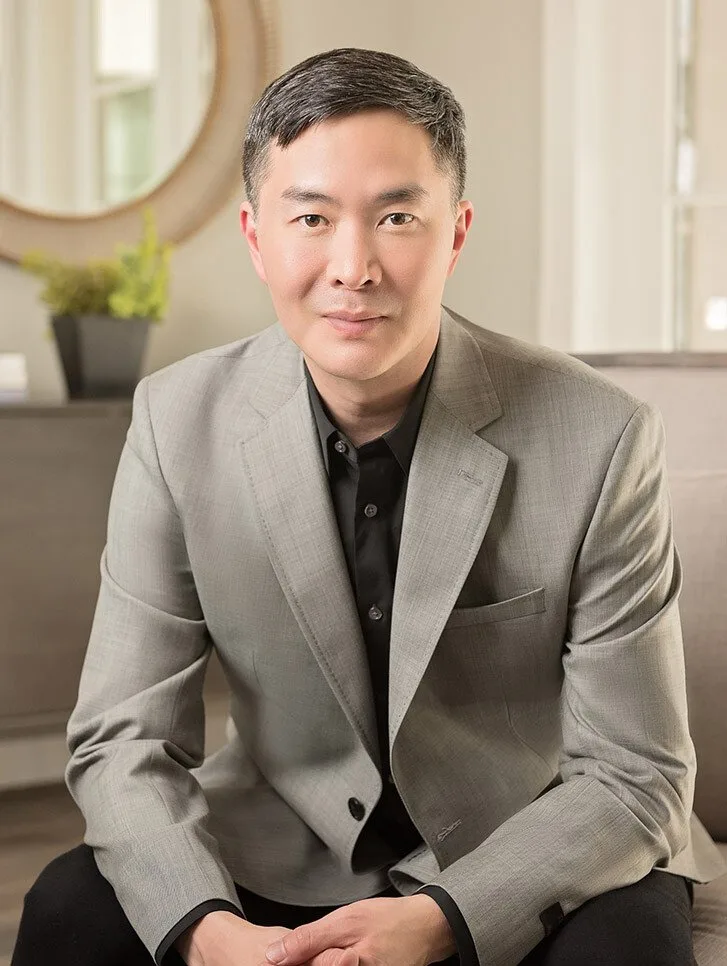
Your Fat Transfer Breast Augmentation Expert
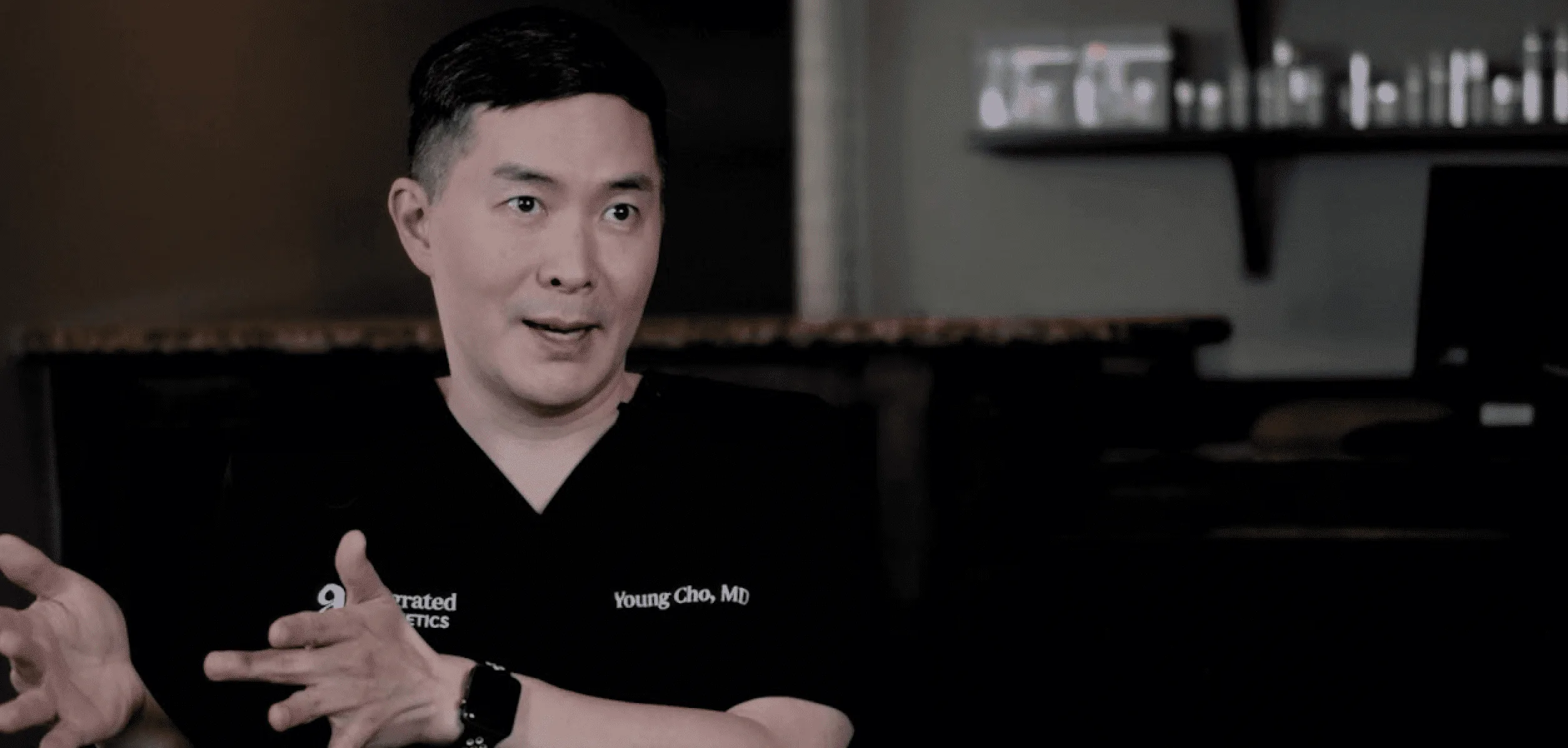
Dr. Young Cho brings 20 years of surgical experience and an extensive level of training and expertise to each and every procedure he performs. In addition to this, he places a very high priority on patient education and will work with you to help you understand exactly how he’ll be creating your ideal results.
To learn more about what Integrated Aesthetics can do for you, reach out to us at The Woodlands or Spring, TX locations and speak with a member of our team to set up your consultation today.


Promotions
At Integrated Aesthetics, we offer our clients many ways to accomplish their goals with us through custom treatment plans and special offers. View our Specials
" * " indicates required fields